
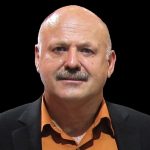

The race for San Diego City Council District 4 has become one of the closest local contests of the 2026 primary election. With thousands of ballots counted, Councilmember Henry Foster III has overtaken nurse Martha Abraham.
Foster led by just 22 votes as of Tuesday evening, up from 13 votes the night before, a razor-thin, but increasing advantage. He had trailed in early returns, but steadily closed the gap as the count continued.
Third-place candidate Johnny Lee Dang received 3,251 votes, according to the San Diego County Registrar of Voters.
In San Diego municipal elections, the top two vote-getters advance to the November general election regardless of party affiliation. For now, Abraham and Foster III appear headed for a fall showdown in a race that could continue shifting vote by vote.
District 4 represents much of southeastern San Diego, including communities such as Paradise Hills, Encanto, Lincoln Park, Skyline, Oak Park, Valencia Park and Webster. Historically, it has been one of the city’s most diverse districts and among those with lower household incomes, with many families earning between $55,000 and $70,000 annually — below the regional average.
The district’s population is predominantly Latino and African American, with a significant presence of working-class families, veterans and longtime residents. Filipino and other Asian communities also have a strong presence in the area.
Compared with other parts of San Diego, average household incomes are lower, and many residents face economic insecurity and ongoing concerns over public safety and access to services.
Foster III joined the City Council after winning a special election in 2024 and was seeking to solidify his hold on the district. Abraham has centered her campaign on quality-of-life issues, housing and community representation. Dang presented himself as an independent alternative focused on neighborhood services and public administration.
Under California election law, no candidate officially “wins” while ballots remain uncounted. The system allows election officials to continue processing mail ballots received on time, provisional ballots and ballots requiring signature verification for several days after Election Day. If the final margin remains extremely narrow, any candidate may request a recount, although the requesting party is typically responsible for the cost.


