


The sweeping views are one of Del Cerro’s biggest attractions. From many streets, residents can look across San Diego’s hills and valleys, with sights that stretch toward downtown, Mission Valley and the surrounding mountains.
But behind those scenic vistas is a neighborhood history filled with surprising stories — from the meaning behind its name, to the subdivisions that helped transform open hillsides into one of San Diego’s most recognizable communities.
Here are eight things you may not know about Del Cerro.
1. Del Cerro’s name comes straight from Spanish
The neighborhood’s name is a perfect match for its landscape. Del Cerro translates to “of the hill,” a fitting description for a community built among rolling hills east of Mission Valley.

The elevation that defines the area is also what helped make it attractive to early homebuyers looking for quiet streets and panoramic views.
2. Del Cerro was once mostly open space
It may be difficult to imagine today, but much of Del Cerro was once undeveloped land with hills, brush, and open countryside.
The neighborhood began taking shape during San Diego’s post-World War II growth boom, when developers started building new communities farther east of the city’s older neighborhoods.
By the late 1950s and 1960s, subdivisions, schools, and roads transformed the landscape into the residential community residents know today.
3. Cowles Mountain has a history of its own
The towering landmark above Del Cerro is one of San Diego’s most recognizable natural features.
The mountain was named for George A. Cowles, an early San Diego businessman, rancher, and developer who helped shape the East County area in the late 1800s.
The peak also became known as “S” Mountain after San Diego State College students placed a giant “S” on the mountainside in 1931. Today, Cowles Mountain remains the highest point within the city of San Diego at 1,593 feet, and it is one of the region’s most popular hiking destinations.
4. Princess Del Cerro was one of the neighborhood’s first developments
Many residents know Princess Del Cerro Park, but the name has roots in the community’s early housing history.
Princess Del Cerro was the name of one of the residential subdivisions built as the area developed in the 1960s. The park name serves as a reminder of the neighborhood’s early growth and the housing tracts that helped shape modern Del Cerro.

5. Del Cerro grew during San Diego’s suburban expansion
The neighborhood’s development was part of a much larger change happening throughout San Diego.
As the city’s population grew after World War II, families looked for newer communities with larger lots, quieter streets and more open space. Del Cerro became one of those hillside neighborhoods that offered a suburban lifestyle while remaining close to downtown and major employment centers.
6. Mission Trails Regional Park is practically Del Cerro’s backyard
One of Del Cerro’s greatest advantages is its location next to Mission Trails Regional Park, one of the largest urban parks in the United States.

The approximately 8,000-acre park protects rugged canyons, open landscapes, historic sites, and miles of hiking trails. For many residents, having such a vast natural area nearby is one of the neighborhood’s biggest draws.
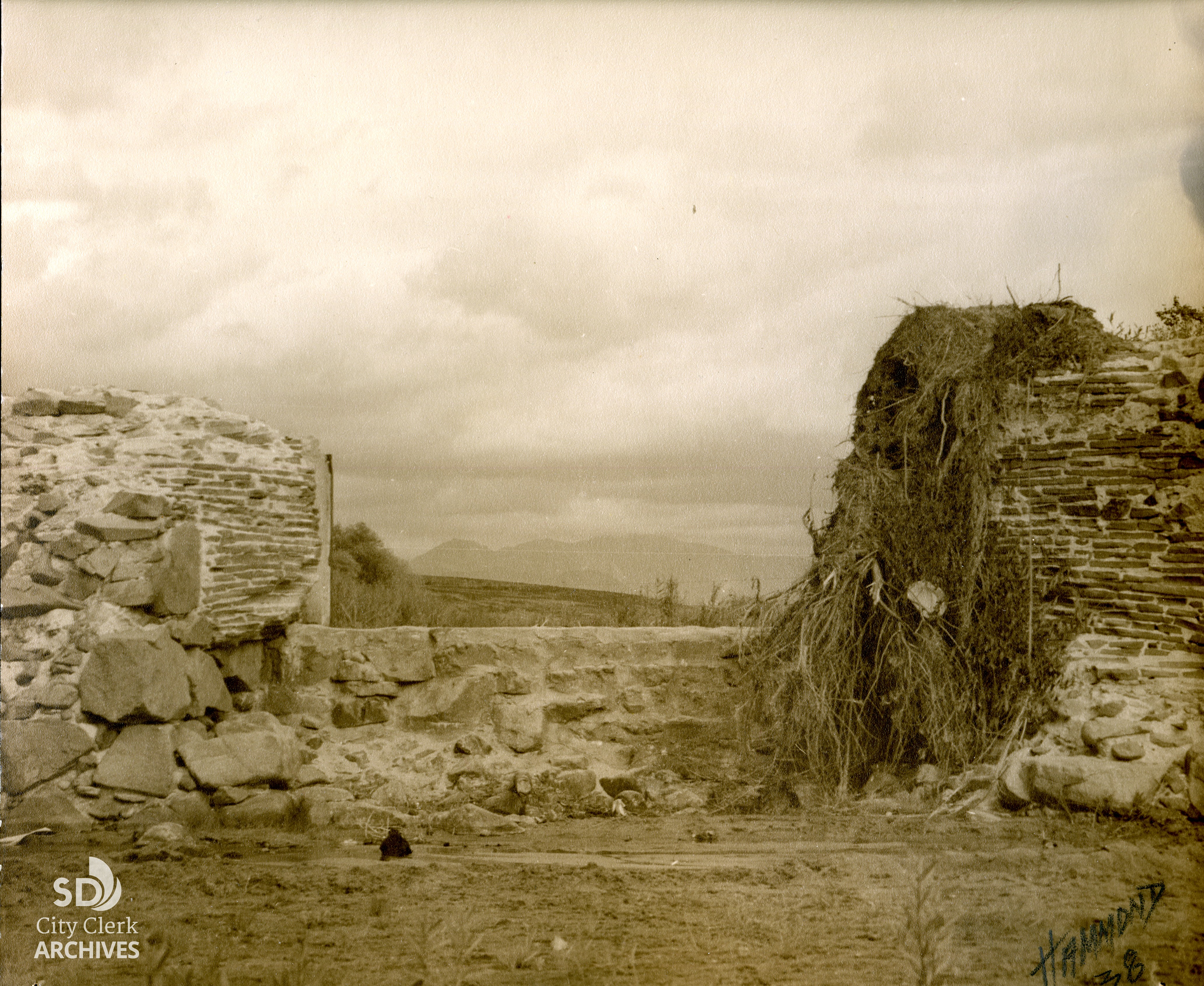
7. Adobe Falls holds a piece of the area’s earlier history
Near Del Cerro is one of San Diego’s lesser-known historic spots: Adobe Falls.
The area takes its name from adobe structures that once stood nearby and is connected to the region’s early ranching history. The seasonal waterfall and surrounding landscape have made it a longtime curiosity for local residents and explorers.

8. The views helped define Del Cerro
The neighborhood’s name may refer to hills, but its views are what helped build its reputation.
Many early homes were designed around Del Cerro’s elevated terrain, taking advantage of views of the city, mountains and surrounding open space. More than six decades after the first developments appeared, those same views remain one of the community’s greatest treasures.
Del Cerro may appear to be a quiet hillside neighborhood, but its streets tell a much bigger story. Its history includes changing landscapes, early subdivisions, natural landmarks and a connection to some of San Diego’s most scenic terrain.
Read more history stories here. Do you have a story to tell? Send an email to DebbieSklar@cox.net.
Sources:
Friends of Del Cerro — Neighborhood History
City of San Diego — Del Cerro Community Profile
City of San Diego — Mission Trails Regional Park
San Diego Parks and Recreation Department — Cowles Mountain information
San Diego History Center archives
City of San Diego Development Services Department subdivision records (Princess Del Cerro)


