


A group of men and women standing on a beach in Cardiff in August 1912. (Photo and caption info courtesy of the San Diego History Center)
If you had visited Cardiff-by-the-Sea a century ago, you might have been surprised by what you found.
The community was shaped not by surfboards, but by farms, orchards, railroads, businesses, and families building a new coastal town.
Much of that early Cardiff has changed, but pieces of its past remain visible today — from Welsh-inspired street names and the San Elijo Lagoon to the industries and people who helped shape the community before surfing became one of its defining identities.
“Cardiff-by-the-Sea has so much to offer our residents and visitors, including great places to shop, eat and play,” said Alison Wielechowski, executive director of Cardiff 101 Main Street. “Cardiff-by-the-Sea has several parks, murals, artistic signage, utility box art and sculptures for all to enjoy.”
Here are eight stories from Cardiff’s early years that you may not know.
1. Cardiff was almost given a different name
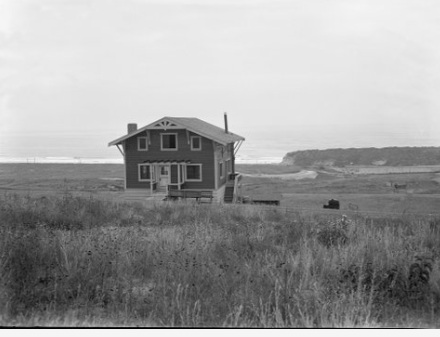
When Boston developer J. Frank Cullen began developing the community in the early 1900s, Cardiff’s name could have been very different.
In 1909, Cullen purchased land that had been farmed by early settlers and began selling lots for the new community. According to Cardiff 101 Main Street, Cullen initially considered giving the town a Spanish name.
His wife, Esther, who was from Cardiff, Wales, persuaded him to name the community after her hometown. The Welsh influence remains today in street names including Oxford Avenue, Manchester Avenue and Birmingham Drive.
The “by-the-Sea” addition was later added to the community’s name, helping create the identity residents and visitors recognize today.
2. Before surfing defined Cardiff, there were farms

Today, Cardiff is known for beaches, waves, and ocean views. But some of the community’s earliest residents were farmers.
In 1875, the MacKinnon family from Cleveland settled near the San Elijo Lagoon and cultivated farmland along the north shore. The area’s fertile land supported agriculture before Cardiff became a coastal destination.
The combination of open land, access to the lagoon, and proximity to the ocean helped attract early settlers who saw potential in the small coastal community.
3. The railroad helped connect Cardiff
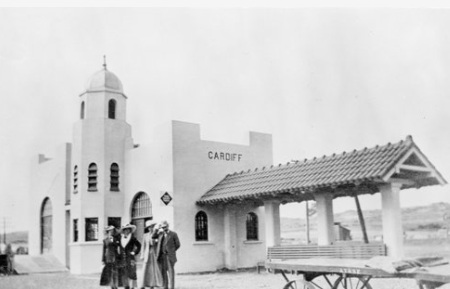
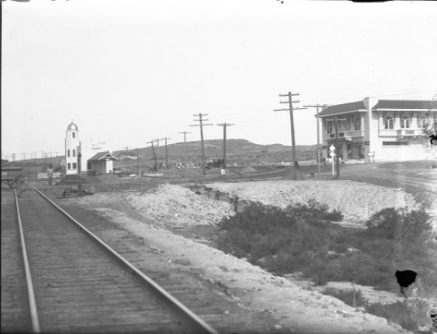
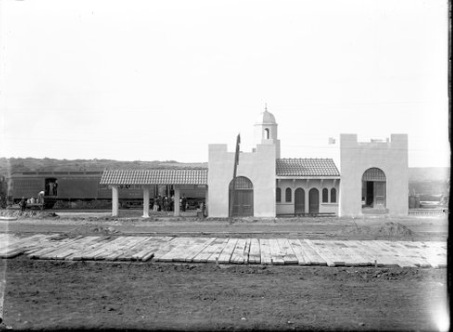
Transportation played an important role in Cardiff’s growth.
The railroad connected the small coastal settlement with nearby communities, making it easier for residents, visitors, and businesses to access the area.
A train station became part of Cardiff’s development in the early 20th century, helping transform the community from a rural settlement into a more connected coastal town.
4. Cardiff once had industries most residents would not expect
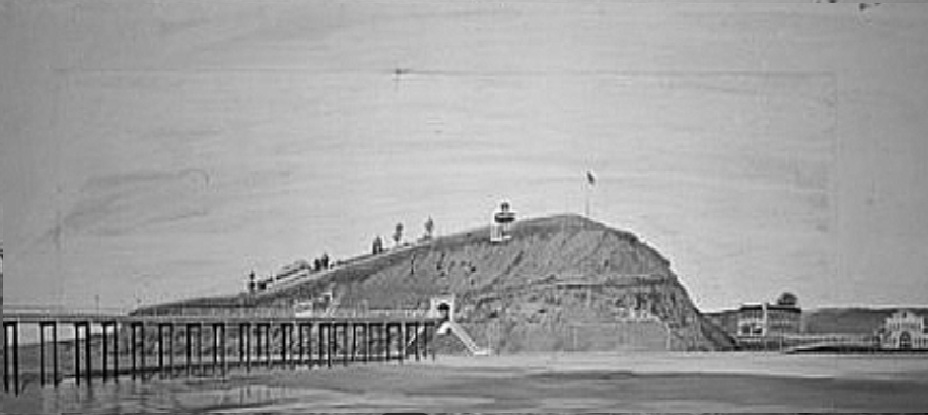
Surfing may define Cardiff today, but the community’s early economy included industries that might surprise modern residents.
In 1912, Clarence Cole established a kelp-processing operation along the bluffs of San Elijo Lagoon. The business expanded Cardiff’s economy beyond farming and reflected a time when coastal communities depended on resources from both land and sea.
That same year, Cullen built an ocean pier and hotel overlooking the coastline, helping establish Cardiff as a place where residents and visitors could enjoy the ocean.
5. The lagoon has always been central to Cardiff’s story
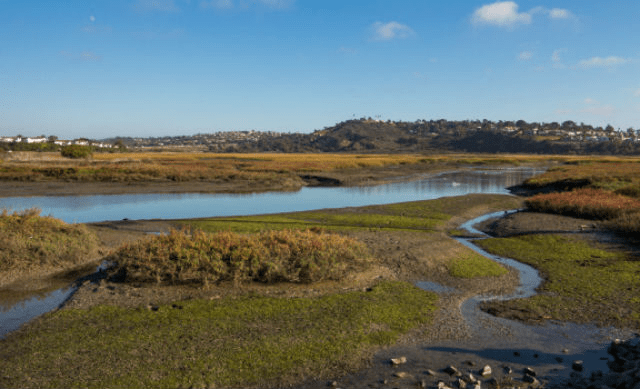
The San Elijo Lagoon has shaped Cardiff’s identity for generations.
Before becoming one of the region’s important protected wetlands, the lagoon was part of everyday life, influencing farming, settlement, and industry.
Over time, development and changing water patterns affected the lagoon, prompting decades of restoration efforts to protect its environmental significance.
Today, the lagoon remains one of Cardiff’s most recognizable landmarks.
6. Water helped Cardiff grow
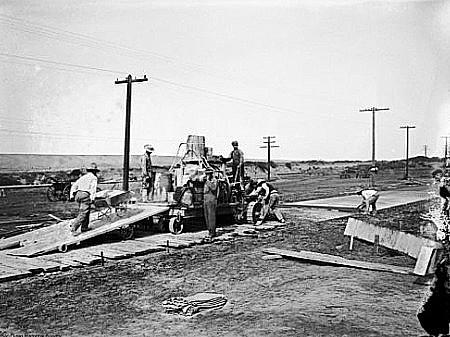
Reliable water supplies were essential for early communities, and Cardiff was no exception.
In 1922, the San Dieguito Irrigation District was formed to provide a more consistent water source for the area, supporting continued residential and agricultural growth.
Infrastructure such as water systems, schools, and public services helped transform Cardiff from a small settlement into a lasting community.
7. Cardiff built a community before it became a beach destination
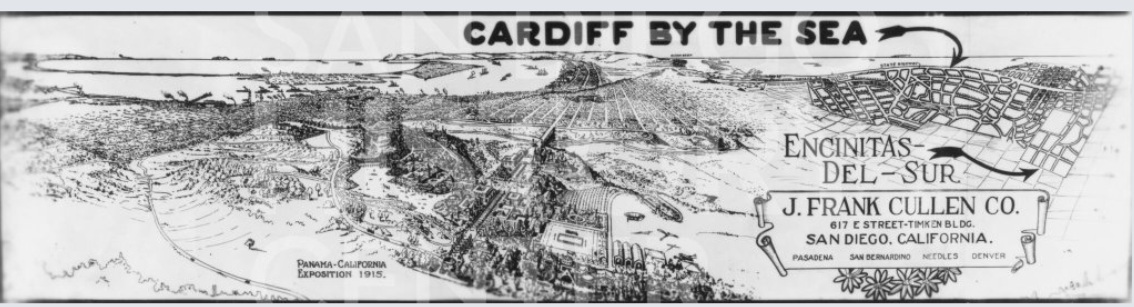
Before Cardiff became famous for surfing, it developed the institutions and gathering places that helped create its strong community identity.
The Cardiff School District was established in 1913, followed by the first library in 1914 and a post office and train station in the 1920s.
Wielechowski said Cardiff’s library, post office and ZIP code remain important symbols of the community’s independent identity.
“Although Cardiff-by-the-Sea is a community within the city of Encinitas, we have proudly worked hard to both fundraise and erect our own library,” she said. “We proudly still have our own post office and ZIP code. Three distinctive landmarks of our independent identity.”
Those landmarks represent more than public services. They reflect the community’s effort to preserve its character while growing.
8. The old Cardiff still exists — if you know where to look
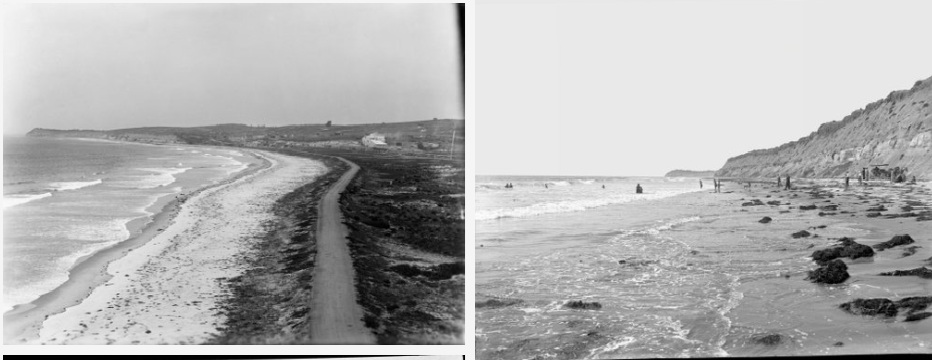
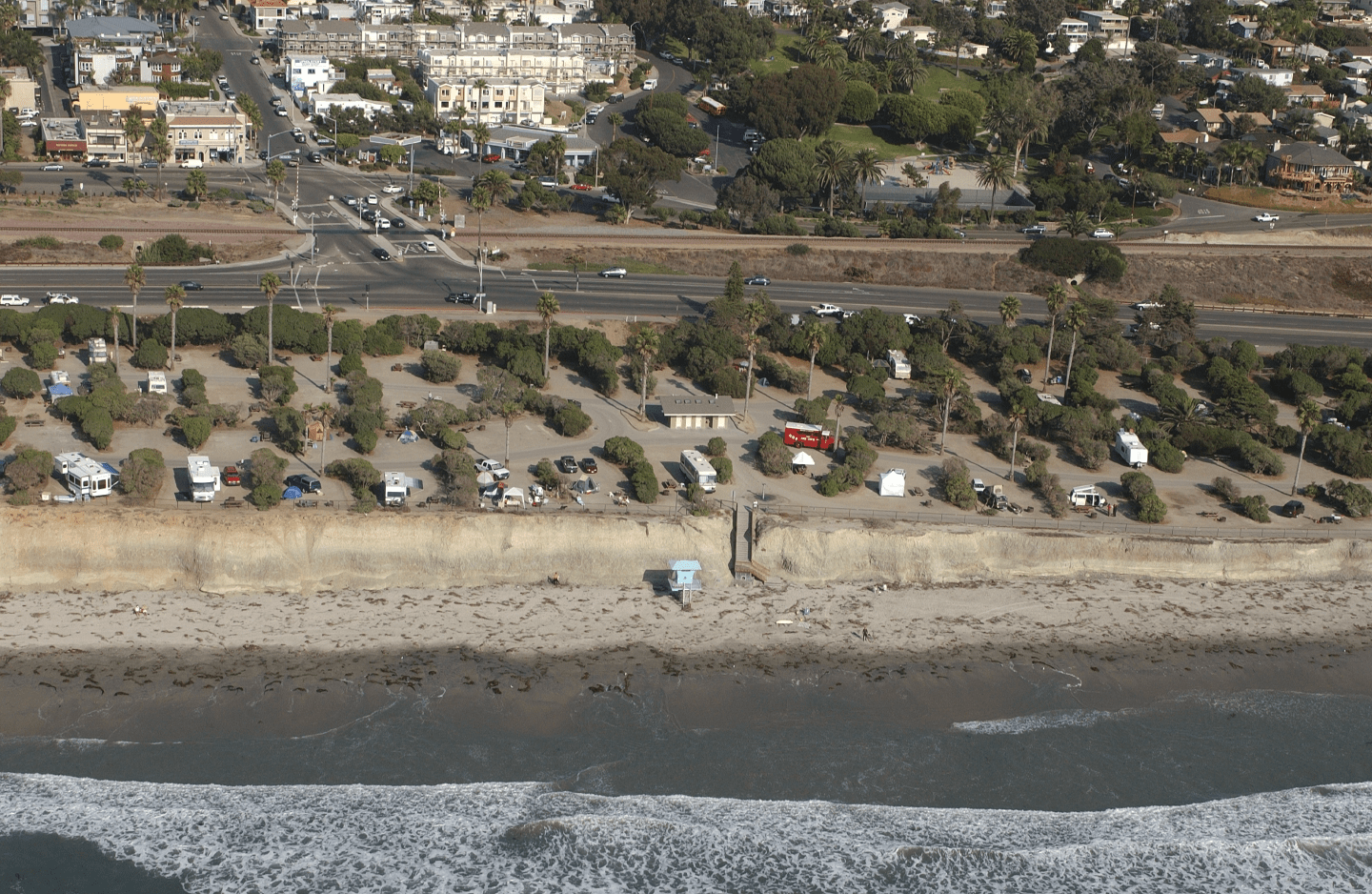
Modern Cardiff-by-the-Sea may be known for restaurants, beaches and surfing, but remnants and reminders of its earlier years remain.
The Welsh street names, San Elijo Lagoon, historic railroad connections, library, post office and longtime businesses all tell pieces of a larger story.
Wielechowski said visitors can still experience Cardiff’s unique character through its public spaces and landmarks.
“The ‘Cardiff Kook,’ or the Magic Carpet Ride, is one of the most famous statues in San Diego County and its home is in downtown Cardiff,” she said. “There is an ocean view from San Elijo Avenue and South Coast Highway 101. It is truly magical, and I recommend coming to our rail trail to enjoy a stellar sunset.”
Cardiff-by-the-Sea may be known today as a surfing destination, but its story began with farmers, railroad travelers, entrepreneurs and families who built a community beside the Pacific.
The waves may define Cardiff now, but the history beneath them runs much deeper.
Read more history stories here.
Sources:
San Diego History Center Digital Archives
Cardiff 101 Main Street — Cardiff History
Cardiff-by-the-Sea Foundation
San Elijo Lagoon Conservancy
City of Encinitas — Cardiff-by-the-Sea community information


