

Last year I lost one of my closest friends to an accidental overdose. Even now, that sentence is hard to write.
To know him was to love him. His life by any measure was successful and full, bright and loud with laughter. And though I have spent years running one of this county’s longest-serving addiction treatment providers, I would never have described him as someone with a substance use problem.

He used drugs recreationally on occasion, like plenty of people in my social circles do. Then one day he died.
As a gay man, I know his death was not a freak tragedy. Over the course of my life in the LGBTQ+ community I have lost count of the people I have known, loved, worked alongside or simply crossed paths with who died from overdose. Some were open about their substance use. Some were not. Some were seeking recovery. Some used only occasionally. Too many were gone before the people around them understood the danger.
That is what I am carrying into International Overdose Awareness Day on Sunday. That accumulated grief changes how you hear statistics.
San Diego County has real progress to report. Overdose deaths fell 21% between 2023 and 2024, from 1,203 to 945. Fentanyl was involved in a smaller share than the year before. Those numbers represent hundreds of people who survived. Naloxone, harm reduction, education and treatment are saving lives.
But progress can be real without the crisis being over.
An overdose does not ask whether someone considers themselves “an addict.” It does not ask how often they use, whether they are housed, employed, surrounded by family or alone.
And increasingly it does not fit the opioid crisis we have spent years learning to confront. Methamphetamine was present in 63% of San Diego County overdose deaths in 2024.
There is no Naloxone for meth
Naloxone remains one of the most important tools we have, and everyone who can should carry it, because fentanyl now turns up unexpectedly in other drugs. But naloxone reverses opioids. It does not reverse methamphetamine toxicity. And unlike treating opioids, there’s no medication for methamphetamine use disorder.
From where I sit, that gap is everything.
In San Diego County treatment programs, 44% of LGBTQ+ clients name methamphetamine as their primary substance, compared with 26% of clients overall. At Stepping Stone, it is more than seven in 10. They arrive housed and unhoused, insured and uninsured, employed and not.
Those disparities are not random. Addiction grows where pain, isolation and inequality accumulate: family rejection, discrimination, untreated trauma and the difficulty of finding health care where you can be honest about who you are. Our community learned during HIV/AIDS, and learned it again during COVID, that a public health crisis never falls evenly.
Stepping Stone was founded in 1976 because LGBTQ+ people facing addiction needed somewhere to ask for help without hiding who they were. Fifty years on, that critical need for culturally competent care has not disappeared.
I am not writing only to sound an alarm. Overdose is preventable, addiction is treatable, and I watch people build lives in recovery every day. But remembrance has to lead somewhere. Four things:
- Carry Naloxone anyway. It will not reverse what killed most of the people we lost last year. Carry it regardless, because you will not know what someone took, and being wrong costs nothing.
- Fund the programs already doing this work. Stepping Stone is one of a network of amazing behavioral health organizations in this county built to serve people the traditional system reaches last. We do not need to be invented. We need funding and resources.
- Meet methamphetamine with the seriousness we brought to fentanyl. We built a public response to opioids and it worked. We have not built the equivalent for the drug now present in most of our overdose deaths.
- End stigma by talking honestly about substance use, including recreational use, instead of pretending risk begins only when someone meets a clinical definition of addiction. Stigma makes people use alone. Stigma tells them they must reach some imaginary bottom before they deserve help. Stigma kills.
This year’s Overdose Awareness Day theme is “25 Years On. Still Needed.” I wish it were not. I wish I were writing about a crisis we had already solved, and that my organization was no longer necessary.
I wish I could tell you my friend had one more night, one more conversation, one more chance to come home.
What his death took from me was one of the stories we tell ourselves to feel safer: that overdose happens to that type of person, over there. There is no type. The line between someone with an addiction and someone we love is a line we invent afterward.
He was supposed to have another day.
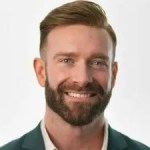
Andrew Picard is Executive Director of Stepping Stone of San Diego, which has provided LGBTQ+ recovery care in San Diego County since 1976.
Want to submit a letter to the editor, guest column or opinion piece? Find our guidelines and submission form here.


